
Position Sizing: The Only Lever You Fully Control
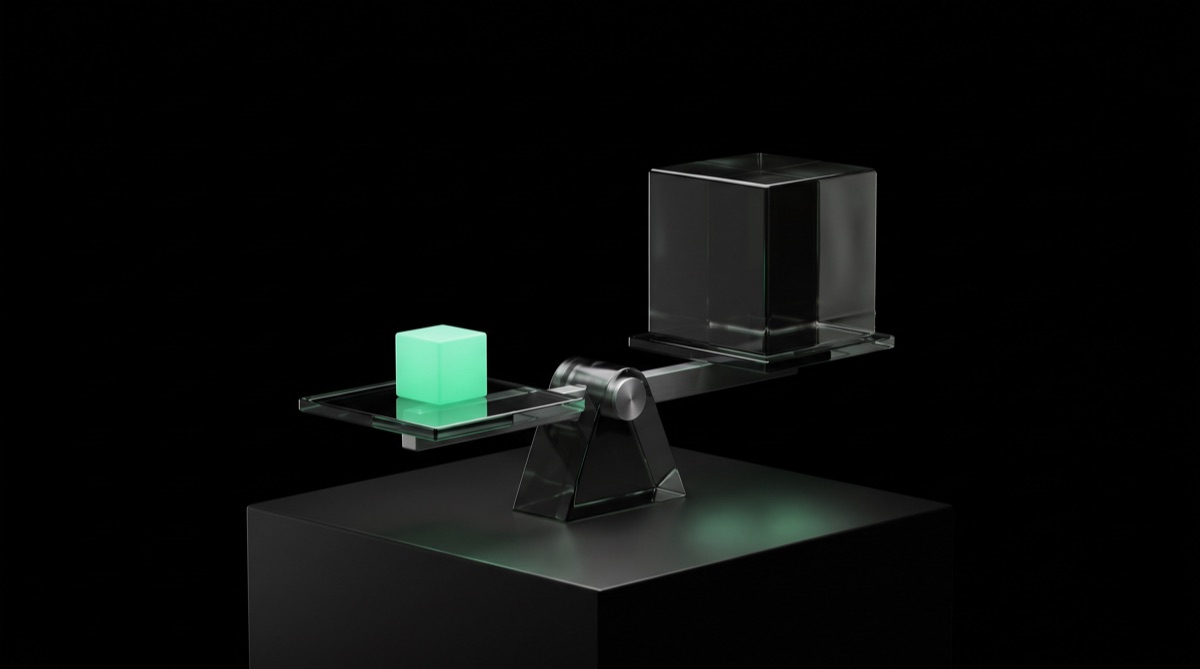
Every input to a trade is a guess except one. The setup is a probability, the target is a hope, the market's next move is unknowable — but the amount you lose if the stop is hit is a number you choose before entry, and nothing the market does can change it. That makes sizing the only lever you fully control, and it explains an uncomfortable truth of prop trading: most blown accounts were not killed by bad analysis. They were killed by correct-enough analysis executed at a size the account could not survive.
Fixed-fractional sizing in plain words
The standard method is fixed-fractional: risk the same small percentage of the account on every trade, and derive the position size from the stop. In words, the formula runs: take the account balance, multiply by your risk percentage to get the dollar risk; then divide that dollar risk by the distance from entry to stop, expressed in money per unit. The result is your size. A wide stop automatically produces a small position, a tight stop a large one — the dollar loss on a stop-out stays constant either way. Size becomes an output of the trade's geometry, not a mood.
- The stop goes where the idea is wrong, not where the size feels comfortable. If the resulting position is too small to bother with, the trade is telling you its stop is too wide for its target — skip it, don't shrink the stop.
- Risk the same fraction on every trade regardless of conviction. The trades you feel most certain about are not measurably better than the rest of your sample; your journal will confirm this, painfully.
- Recompute from current balance, not starting balance. This makes risk shrink in drawdown and grow in profit — the direction you want, applied automatically.
Prop limits set the ceiling, not your appetite
On a funded account, maximum risk per trade is not a preference — it's arithmetic against the daily loss limit. Your risk per trade multiplied by a realistic worst losing streak for one session must fit inside the daily limit with room to spare. If the firm allows 4% daily and your setup can plausibly lose four times in a session, 1% risk means one ordinary bad morning breaches the account. Half a percent means the same morning costs 2% and you're still trading tomorrow. Run the numbers with your own streak data, but the shape of the conclusion is universal: prop sizing is set by the worst session you must survive, not the best one you can imagine.
Why doubling after losses is a trapdoor
The urge is ancient: down 2%, so double the size and one winner makes it all back. The math is merciless in the other direction. Doubling after each loss makes required size grow geometrically — one more loss and you need to win back four units, then eight — while your daily limit stands still. Three consecutive losses at doubled sizing does roughly the damage of seven at flat sizing, and consecutive losses are not rare events; they are a scheduled feature of any win rate below certainty. Martingale doesn't raise your probability of recovering. It concentrates all your ruin into the one streak that was always coming.
Updated 2026-08-22